The Nissui Group believes that corporate activities are premised on respect for human rights and will thus promote initiatives to help realize a sustainable society in which "no one will be left behind."
The Nissui Group's long-term vision is to be “a leading company that delivers friendly foods for people and the earth.” An indispensable condition for achieving this vision is respect for human rights throughout the value chain. Given that the seafood supply chain is exceptionally long and complex, the Nissui Group recognizes that the risk of human rights violations is high, carrying significant risk of impact on continuity of Group operations. We believe that, as customer awareness of human-rights issues grows, ensuring respect for human rights up and down the value chain presents a way to expand business opportunities and sharpen competitiveness.
In September 2020, the Nissui Group formulated the "Nissui Group Human Rights Policy" based on the United Nations Guiding Principles on Business and Human Rights in order to further clarify its approach to respecting human rights in all value chains associated with its businesses.
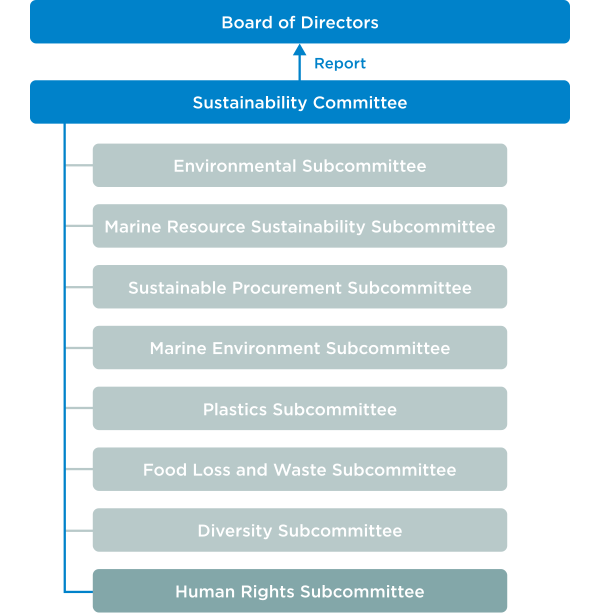
Our initiatives to respect human rights are primarily managed by two subcommittees under the Sustainability Committee: the “Human Rights Subcommittee” and the “Sustainable Procurement Subcommittee.” These subcommittees coordinate with other relevant subcommittees as necessary based on the level of risk (Note).
The Human Rights Subcommittee is responsible for developing human rights policies and frameworks, conducting internal education, identifying key human rights risks, and promoting respect for human rights within our own Group. The Sustainable Procurement Subcommittee promotes sustainable procurement that considers both the environment and human rights in collaboration with suppliers.
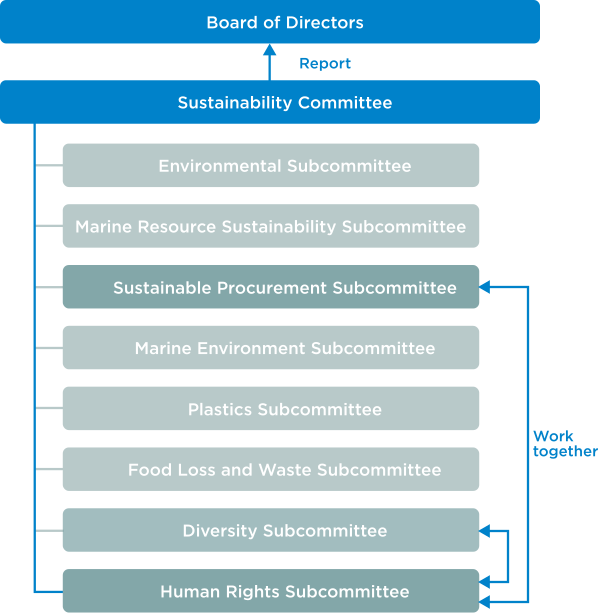
(Note): In addition to the above, we also collaborate with the “Occupational Safety and Health Subcommittee” and the “Ethics Subcommittee” under the Business Foundation Risks Committee.
To identify actual or potential negative impacts on human rights in the Nissui Group’s value chain, we conducted a human rights risk assessment with members of the Human Rights Subcommittee in July 2024. After several discussions at the Sustainability Committee, we identified the following key human rights risks. This risk assessment is conducted once every few years, and the latest assessment was based on the results of the previous assessment (December 2020), incorporating new perspectives in light of changes in the external environment. In identifying these risks, we engaged in discussions with stakeholders (labor union, external experts). We have begun implementing specific initiatives to understand current conditions and reduce risks from the second half of FY2024.
Beginning in FY2025, the Human Rights Subcommittee has undertaken an annual review of human rights risks. The latest review was conducted in February 2026.
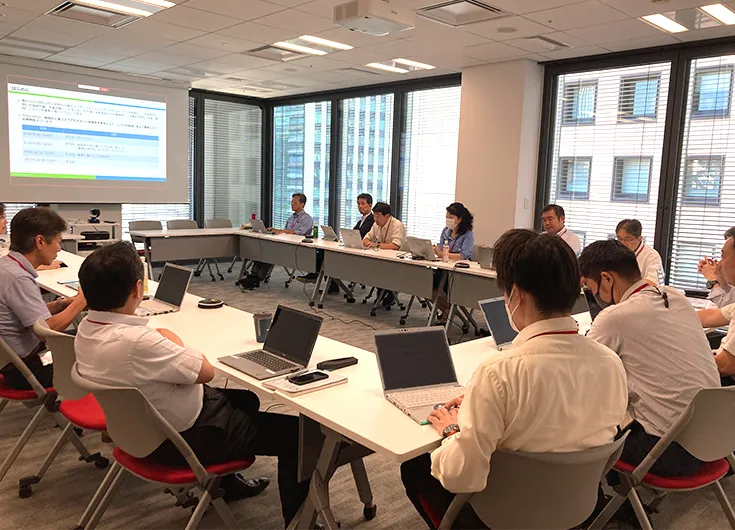
Workshop Conducted by Human Rights Subcommittee Members Convened From Across Departments
We identified risks for each process in the value chain from two perspectives: “general and cross-industry human rights risks” and “human rights risks specific to the fishery industry and the Nissui Group” (see diagram below). In analyzing the latter, we incorporated perspectives such as country-specific and species-specific risks. For the identified risks, we conducted an impact assessment based on the frequency/likelihood of occurrence and the potential severity of negative impact, to narrow down the risks.
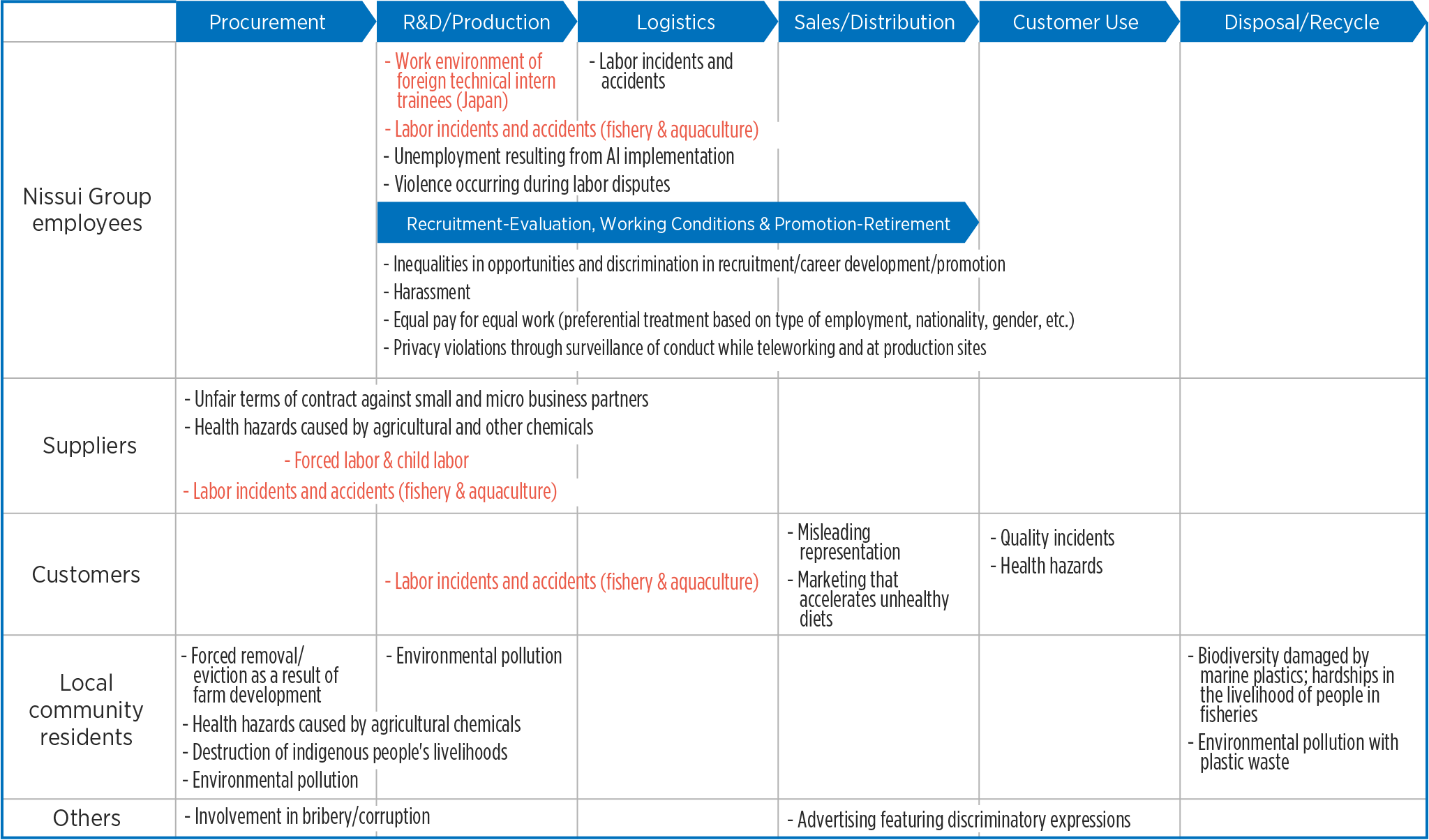
Click the image above to enlarge.
The Nissui Group is working to reduce human rights risks in the entire supply chain based on the Nissui Group Basic Procurement Policy and the Supplier Guideline. The Supplier Guideline is distributed to all of Nissui Corporation’s Tier-1 suppliers (suppliers within and outside Japan with which Nissui Corporation has direct transactions), and suppliers are also asked to sign a Statement of Agreement.
Since FY2023, SAQ (Self-Assessment Questionnaire) has been implemented with all of Nissui Corporation's Tier-1 suppliers to check the status of their human rights initiatives and issues. In cases where particularly high priority items do not meet the criteria, we request improvement or provide support for improvement through visits or dialogues, and regularly check the status of their countermeasures.
We also identify important suppliers based on transaction volume and product characteristics, and take actions according to the associated risks.Since 2023, we have visited or had dialogues with domestic contract manufacturers where foreign workers are employed. Since 2025, we have asked overseas contract manufacturers to join Sedex (Note) to understand and reduce risks based on international standards. This initiative is being implemented under the leadership of the Sustainable Procurement Subcommittee, in collaboration with the Human Rights Subcommittee.
(Note) Sedex: A non-profit organization that provides a platform for companies to share information about suppliers' working environment, human rights, and the environment.
Nissui performs an annual survey on the labor conditions of foreign workers at our directly-operated plants and domestic Group companies.
| Implementation | Details | Target | Number of business sites |
|---|---|---|---|
| May-June 2023 | Implementation of a comprehensive self-assessment comprising a total of 53 questions related to the areas of “Establishing Mechanisms for Compliance with Laws and Regulations and Respect for Human Rights," “Human Rights," “Safety and Health," “Use of Intermediaries," and “Other" (Note). | Offices (including directly-operated plants and domestic Group companies) that employ foreign workers with “Technical Intern Training" and “Specified Skilled Worker" residence status. | 37 |
| May-June 2024 | Implementation of a comprehensive self-assessment comprising a total of 53 questions related to the areas of “Establishing Mechanisms for Compliance with Laws and Regulations and Respect for Human Rights," “Human Rights," “Safety and Health," “Use of Intermediaries," and “Other" (Note), as well as confirmation of the status of multilingual support. | Offices (including directly-operated plants and domestic Group companies) that employ foreign workers with “Technical Intern Training" and “Specified Skilled Worker" residence status. | 45 |
| May-June 2025 | Implementation of a comprehensive self-assessment comprising a total of 80 questions related to the areas of “Establishing Mechanisms for Compliance with Laws and Regulations and Respect for Human Rights," “Human Rights," “Safety and Health," “Use of Intermediaries," and “Other" (Note), as well as confirmation of the status of multilingual support. | Offices (including directly-operated plants and domestic Group companies) that employ foreign workers with “Technical Intern Training" and “Specified Skilled Worker" residence status. | 47 |
(Note): The questionnaire prepared based on the “Guidelines on Improvement of Working Environment for Migrant Workers in Supply Chains,” developed by the Business and Human Rights Lawyers Network Japan, Lawyers Network for Foreign Workers, and Lawyers’ Network for Foreign Technical Interns.
Analysis of annual self-check responses and interviews with business sites have not shown indications of serious human rights violation risks. However, some business sites have identified the following issues related to foreign workers, which the Human Rights Subcommittee has communicated to domestic Group companies. We are promoting a unified approach across the Group, and the Human Rights Subcommittee is monitoring implementation status.
We will continue to conduct work environment surveys; however, to ensure effectiveness, we are also combining these with on-site visits to confirm actual conditions and interviews with foreign workers, who are the rights holders.
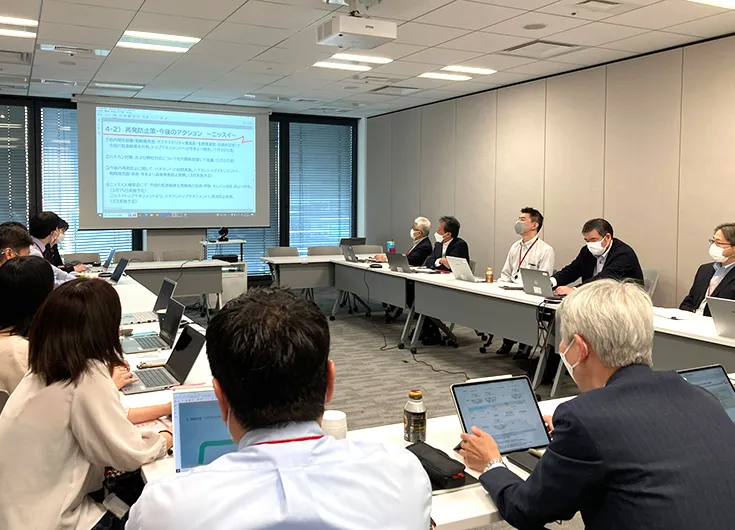
Human Rights Subcommittee
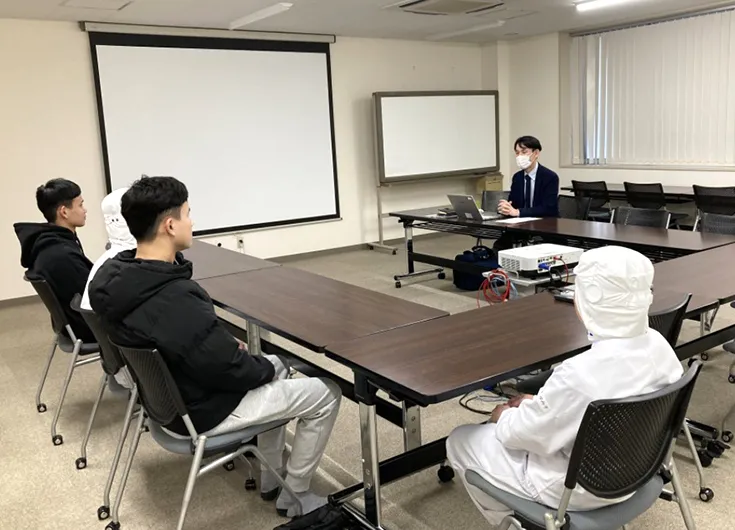
Interviews With Technical Intern Trainees
(Note): Templates in English, Chinese, Portuguese, Spanish, Vietnamese, and Indonesian have been created and shared.
The Nissui Group’s production facilities employ people of many nationalities, and the number of languages that need to be supported is growing. In addition, the investigation by the Human Rights Subcommittee has identified multilingual support for foreign workers as one of the challenges faced by our Group. In particular, multilingual versions of contracts, pay slips, and emergency evacuation manuals were common issues across sites, but these challenges are in the process of being resolved through measures such as creating Group-wide templates.
Efforts have been made to provide multilingual support through the implementation of signage in various languages at these plants. The introduction of multilingual tools using visuals such as pictures and images for clear explanations is being actively pursued to improve the safety of foreign workers and their understanding of work procedures and rules.
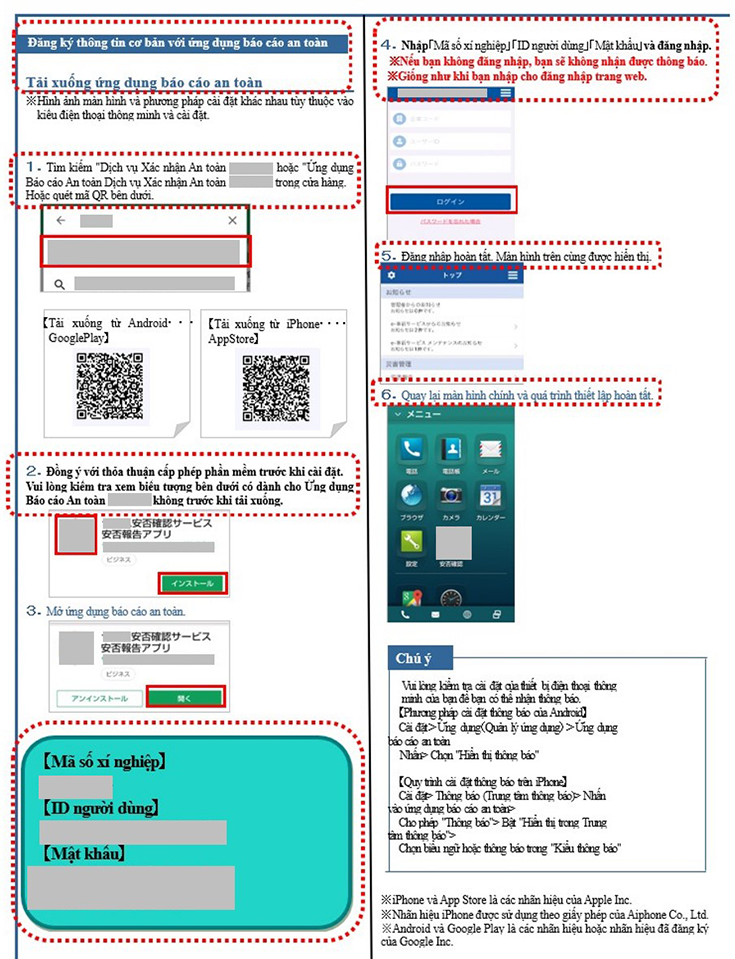
Emergency Confirmation System Manual (Vietnamese)
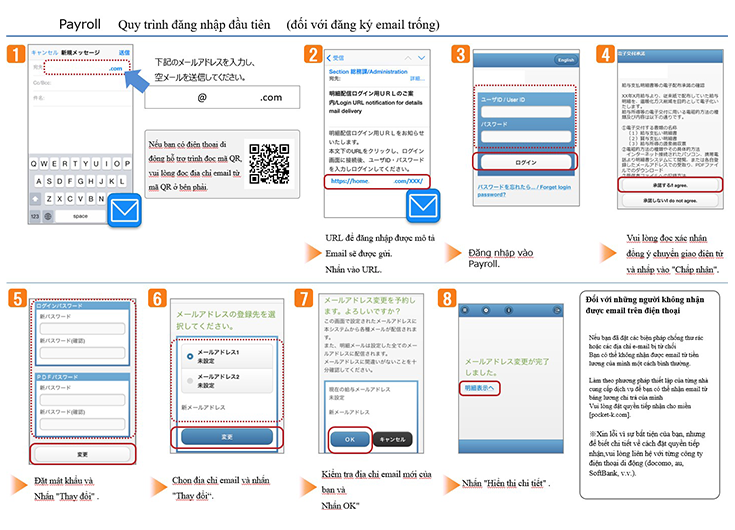
Salary Statement App Manual (Vietnamese)
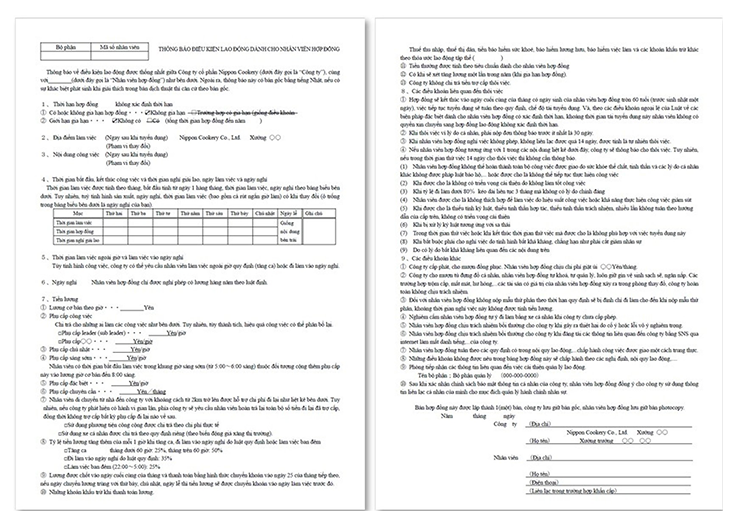
Multilingual Contracts
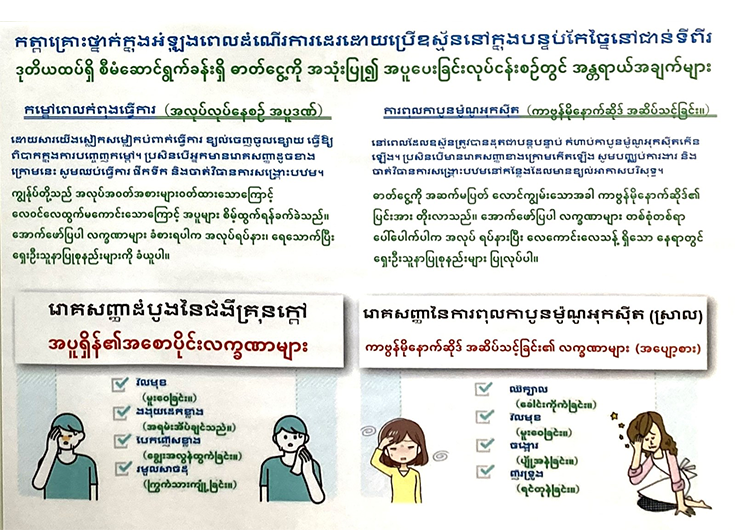
Heat Stroke Prevention Notices (Khmer, Myanmar)
For ease of understanding by foreign workers, the desired messages to be conveyed for each theme are consolidated onto a single sheet, and visual illustrations are used to demonstrate the “do’s” (desired actions) and “don’ts” (prohibited actions) for better visual understanding. The languages used are English, Vietnamese, and Chinese, with blank spaces provided at each plant to allow additional languages to be added as needed.
In addition, a total of 35 instances of educational content were created to support quality education for foreign workers in factories, and these materials were distributed to production plants within the Group and major partner plants. We also conduct education and training in the native languages of foreign workers with interpreters.

Example of Educational Tool
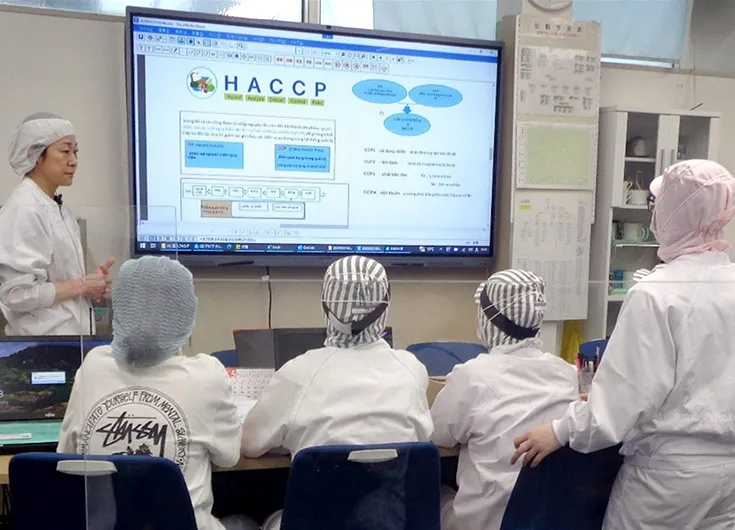
On-Site Training in Foreign Languages
To “visualize” hazardous areas with risks of labor accidents and make them understandable and recognizable to everyone regardless of language, we have been actively promoting the use of pictograms and safety education using videos and photos since FY2021. By making employees who may not fully understand Japanese and employees with limited knowledge of workplace risks aware of these risks and encouraging safe behavior, we aim not only to ensure labor safety, but also to prevent serious labor accidents. Furthermore, we regularly hold factory manager meetings on the theme of safety education for foreign workers, sharing examples among factories to raise the overall level of these initiatives.
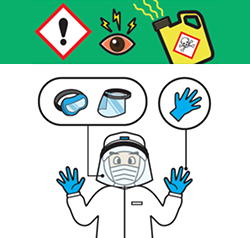
Pictograms Example (Wearing Protective Gear, Handling of Chemicals)

Pictograms Example (Fall)

Pictograms Example (Caught in Machinery)
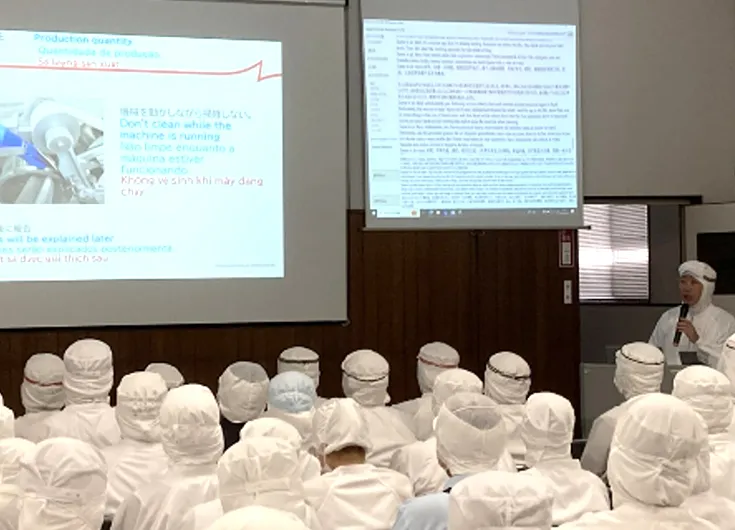
Safety Education in Multiple Languages
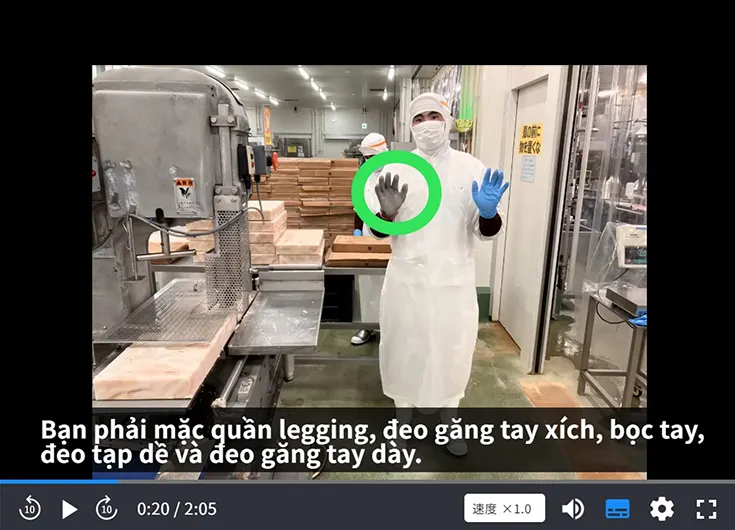
Safety Education Through Videos
To directly gather input from foreign workers as rights holders and use their feedback to improve working environments and workplace satisfaction, from FY2024, we have piloted and are conducting a trial “workplace environment satisfaction questionnaire” in 9 languages (Note) at some business sites. The questionnaire consists of 22 questions and 4 free-response sections, allowing anonymous responses. While foreign workers have different perspectives and awareness of issues from Japanese employees, they have limited opportunities to communicate their opinions to the company, so the free-response sections are designed to collect opinions on “positive aspects” and “areas needing improvement” in the workplace that might be difficult to notice from a Japanese perspective.
(Note): Simple Japanese, English, Chinese, Vietnamese, Tagalog, Indonesian, Burmese, Portuguese, Spanish
To promote labor safety, we have established the “Occupational Safety and Health Subcommittee” under the Business Foundation Risks Committee, which is actively addressing these issues. At the annual safety convention for domestic Group companies, the President explains the “Nissui Group’s Declaration of Safety” and delivers the message that “safety takes precedence over everything, in all circumstances.” The Nissui Group actively promotes labor safety and health activities based on this declaration.
The promotion of labor safety in aquaculture is also addressed by the “Occupational Safety and Health Subcommittee” under the Business Foundation Risks Committee. In FY2025, we implemented educational initiatives aimed at improving safety management for diving operations.
In addition, at aquaculture sites, we are reducing the risk of labor accidents by reducing human operations at sea and underwater through “smart aquaculture,” which includes automated feeding systems and fish size measurement using AI and IoT technologies.
In fisheries, we are ensuring safe fishery work environments at the individual Group company level. Labor practices on fishing vessels can be difficult to observe from outside, and concerns about human rights risks are sometimes raised. Given this background, with crew safety as our highest priority, we strive to improve the work environment while incorporating third-party perspectives to enhance transparency.
Sealord Group Ltd., a New Zealand-based fishing company, demonstrates its commitment to fostering a favorable working environment on fishing vessels by voluntarily engaging in observer boarding and comprehensive inspections of labor conditions conducted by the Ministry of Primary Industries, ensuring unbiased assessments. Australian Longline Pty Ltd., which conducts Patagonian toothfish fishing (subject to Marine Stewardship Council (MSC) certification) activities in the Antarctic Ocean, was the first company in the world to achieve the RFVS certification (Note), a standard with a strong focus on protecting the human rights of crew members, in January 2021, and has now secured this certification for all of its fishing vessels.
(Note): Responsible Fishing Vessel Standard (RFVS): A certification program run by the Global Seafood Alliance (GSA) as part of its “Best Seafood Practices” third-party certification program launched in 2021, which focuses specifically on protecting the human rights of crew members. The RFVS is comprised of the two core principles of “vessel management and safety systems” and “crew rights, safety and wellbeing.” Based on the provisions of the Work in Fishing Convention and other relevant international agreements, the standard emphasizes the protection of crew members’ rights, including adequate training, a safe working environment, and provisions for wages, meals, and rest periods.
Sustainable Use of Natural Marine Resources > RFVS Certification
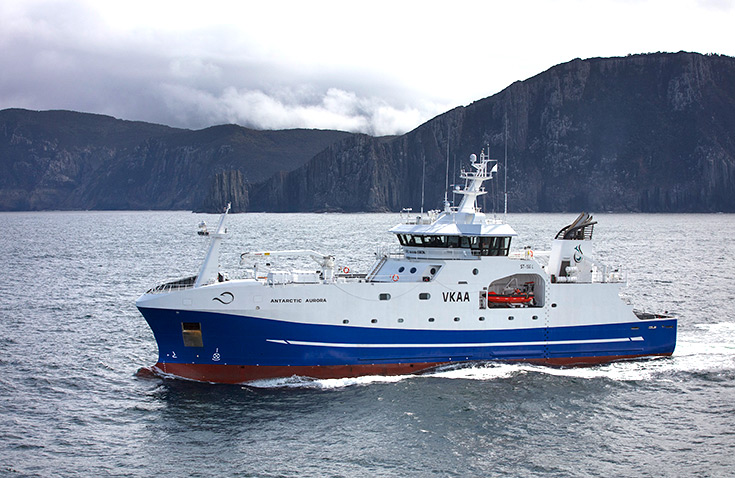
The Vessel Antarctic Aurora
(Australian Longline Pty Ltd.)
In North America, the At-sea Processors Association (APA) (Note 1), of which Glacier Fish Company, LLC is a member, became the second organization in the world to be certified by the FISH Standard for Crew (Note 2), an independent third-party certification program for labor practices on fishing vessels, in August 2022. The certification audit process includes vessel inspections, interviews with crew members, and a review of company hiring practices, payroll records, and complaint records.
(Note 1) APA (At-sea Processors Association): Trade association representing five member companies that own and operate 14 U.S.-flagged capture/processor vessels operating in the Bering Sea/Aleutian Islands for the Alaska pollock fishery.
(Note 2) FISH Standard for Crew: The FISH (“Fairness, Integrity, Safety, and Health”) Standard for Crew is a voluntary and independent third-party certification program for labor practices on fishing vessels worldwide, with a particular emphasis on promoting fair and ethical labor practices onboard.
FISH Standard for Crew Certificate(PDF)488KB
Kyowa Fishery Co., Ltd., a Group company that conducts purse seine fishing for bonito and yellowfin tuna in the tropical western and central Pacific Ocean with MSC Fisheries certification, is implementing various initiatives to improve the working environment for fishing vessel crews.
First, to ensure safety and reduce work burdens, the company is advancing improvements to the work environment while also establishing comfortable living conditions that comply with the ILO’s new equipment standards. Furthermore, a high-speed, high-capacity broadband satellite communication system was introduced, establishing a communication environment that enables contact with family and friends and access to information even while on board fishing vessels. Additionally, to respect human rights and improve the working environment of foreign crew members, the company has introduced multilingual consultation services and a remediation mechanism. This initiative is part of the “Collaborative Program for Companies Responsibly Hosting Foreign Migrant Workers” provided by Japan Platform for Migrant Workers towards Responsible and Inclusive Society (JP-MIRAI), and its introduction on fishing vessels marked the first such case in Japan.
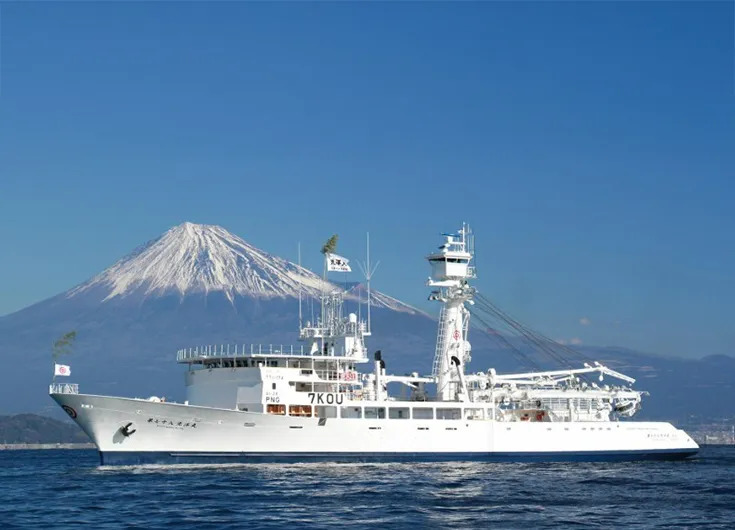
Kyowa Fishery Co., Ltd.’s Overseas Purse Seine Fishing Vessel (No. 78 Koyomaru)
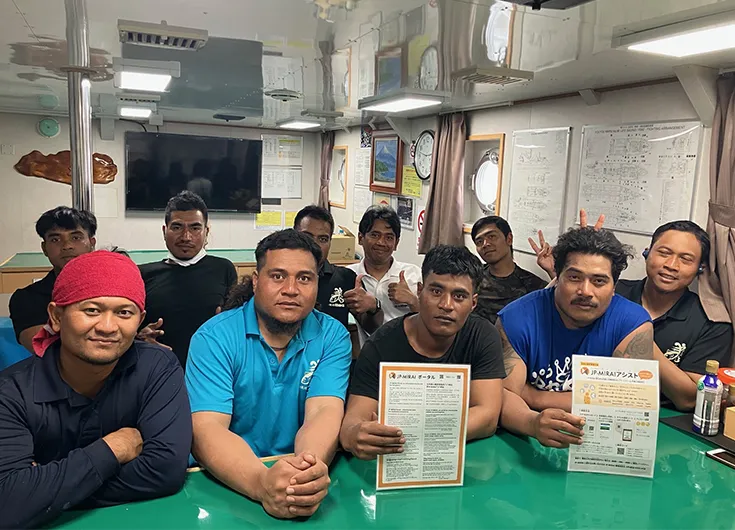
Posters for the Multilingual Consultation Service (JP-MIRAI) Introduced for the First Time on Fishing Vessels, and Foreign Crew Members
The Nissui Group has been engaged in numerous external communications with stakeholders and has been promoting activities while reminding itself to not become complacent. Since the first stakeholder dialogue held in 2016, the Nissui Group has held a stakeholder dialogue six times in total, including human rights in the fisheries industry's supply chain in its theme.
In September 2022, Nissui joined the Japan Platform for Migrant Workers towards Responsible and Inclusive Society (JP-MIRAI) for the purpose of participating in the Collaborative Program on remedy and collecting information for the working environment improvement for foreign workers.
In FY2023, through participation in the “Collaborative Program for Companies Responsibly Hosting Foreign Migrant Workers” provided by JP-MIRAI, we are promoting the introduction of a grievance mechanism for foreign workers at Nissui and Group companies in Japan.
In April 2023, Nissui joined the Japan Center for Engagement and Remedy on Business and Human Rights (JaCER), an organization that aims to provide a non-judicial "Engagement and Remedy Platform" for redress of grievances and to act in a professional capacity to support and promote redress of grievances by member companies based on the United Nations Guiding Principles on Business and Human Rights, as a regular member. In addition to using the Engagement and Remedy Platform provided by JaCER, we will deepen our understanding of engagement and remedy practices through participation in training for member companies.

The Nissui Group has established a whistleblowing system for employees of Nissui and Nissui Group companies in Japan, which accepts reports through both internal and external points of contact. In addition, for other stakeholders such as suppliers, we have set a contact point for grievances and reports on business and human rights, and have established a system for redress in cooperation with specialized third-party organizations.
The Nissui Group has established a whistleblowing system in which internal and external points of contact are made available to receive reports. Consultation requests, opinions, reports, etc. from employees are accepted regarding acts in breach of the Code of Ethics, acts in violation of laws and regulations and acts in breach of internal rules, including irrational discrimination and harassment based on race, religion, sex, age, nationality, social status, etc. The confidentiality of the whistleblower is protected and unfair treatment of the whistleblower is prohibited under the provisions of the Nissui Group's regulations.
Compliance > Initiatives to Identify Compliance Issues
In FY2023, the Nissui Group introduced a grievance mechanism specifically for foreign workers in Nissui and Group companies in Japan, through participation in the“Collaborative Program for Companies Responsibly Hosting Foreign Migrant Workers” provided by Japan Platform for Migrant Workers towards Responsible and Inclusive Society (JP-MIRAI).
Based on the "UN Guiding Principles on Business and Human Rights," this system supports the resolution of issues faced by foreign workers in our supply chain. It serves as a low-barrier consultation desk where foreign workers can seek assistance, covering everything from labor-related problems to daily life concerns.
Languages support: Easy Japanese and 22 languages (Note)
In addition to poster displays, each business site actively uses messaging apps and morning meeting announcements to reliably communicate consultation service information to foreign workers. In FY2024, the initiative was rolled out across 45 sites operated by 21 legal entities. Furthermore, the Human Rights Subcommittee monitors the status of these awareness efforts.
(Note): English, Chinese, Korean, Thai, Vietnamese, Indonesian, Malay, Tagalog, Nepali, Burmese, Khmer, Mongolian, Sinhala, Hindi, Bengali, Portuguese, Spanish, German, French, Italian, Russian, Urdu
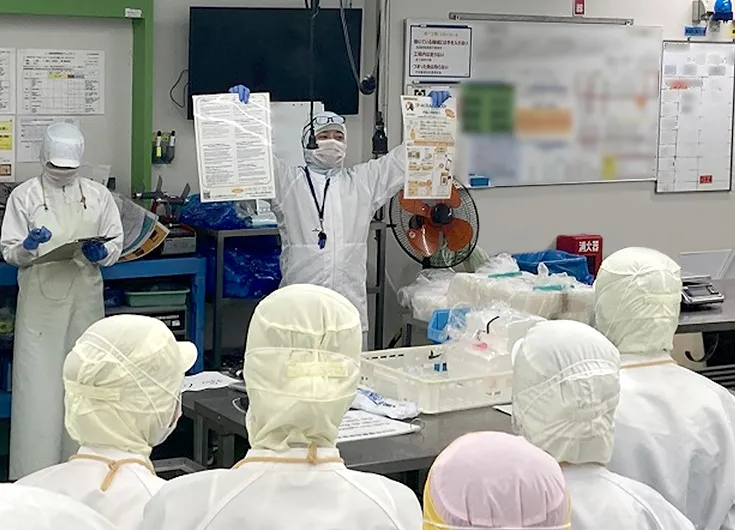
Notification at Morning Meetings
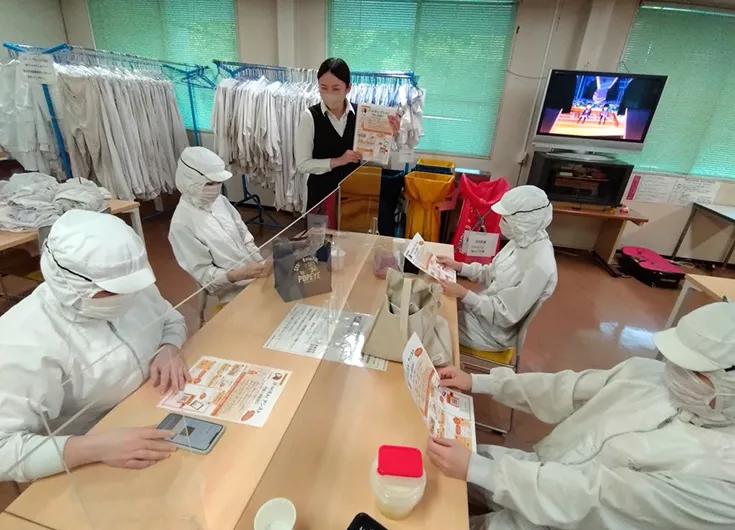
Individual Briefings
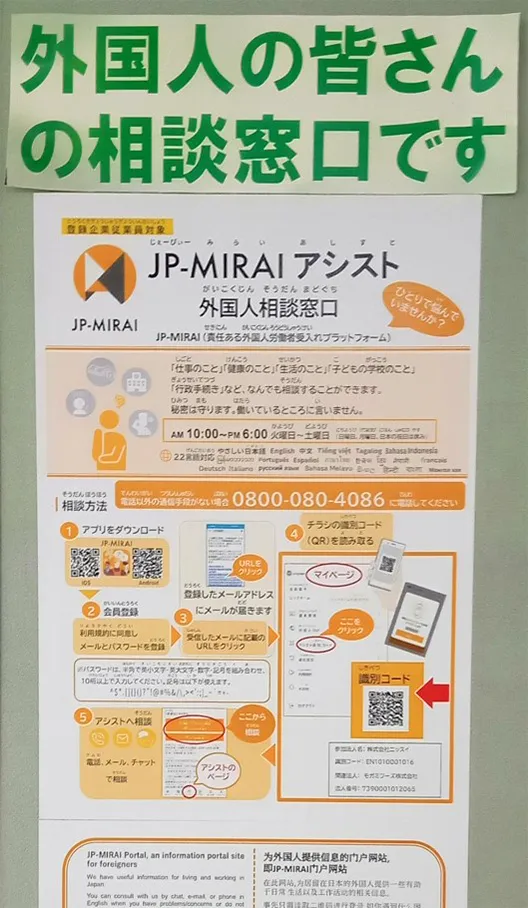
Notification on Bulletin Boards
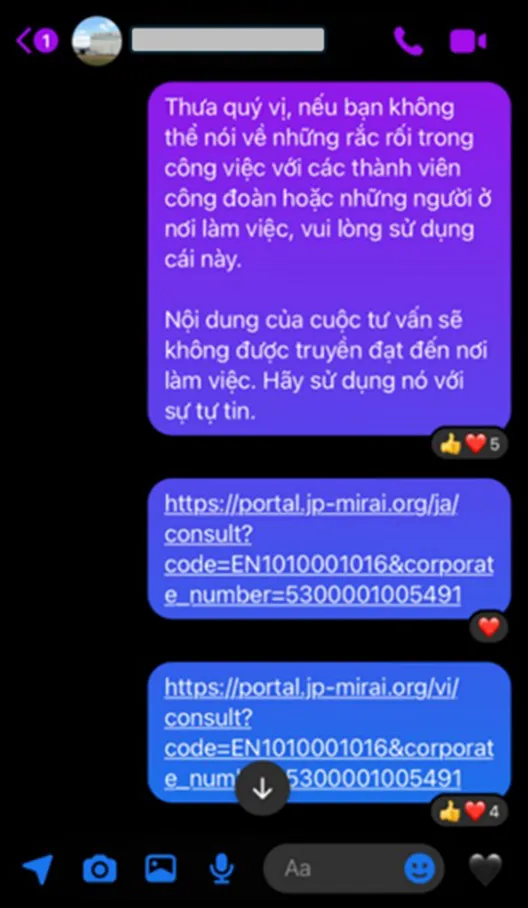
Utilization of Messaging Apps
The Nissui Group is set to join the Japan Center for Engagement and Remedy on Business and Human Rights (JaCER) (Note 1) from FY2023, and has established a grievance and reporting channel for stakeholders with respect to issues concerning business and human rights.
Languages support: Japanese and English, with automatic translation into 32 languages (Note 2)
This channel functions as a platform to receive grievances and reports from rights holders or their representatives and organizations who have reasonable grounds to believe that they have been or may be adversely affected from a human rights perspective. It addresses issues related to business and human rights, including cases that raise concerns about potential violations of international norms such as the International Bill of Human Rights (the Universal Declaration of Human Rights and International Covenants on Human Rights (International Covenant on Economic, Social and Cultural Rights/International Covenant on Civil and Political Rights)), as well as the domestic regulations of each country. Furthermore, anonymous reports are also accepted.
(Note 1) Japan Center for Engagement and Remedy on Business and Human Rights (JaCER): An organization aims to provide a non-judicial platform for grievance redress and to act in a professional capacity to support and promote redress of grievances by member companies based on the United Nations Guiding Principles on Business and Human Rights.
(Note 2): Simplified Chinese, Traditional Chinese, Thai, Vietnamese, Malay, Indonesian, Spanish, Portuguese, Korean, Hindi, German, Tagalog, French, Dutch, Burmese, Nepali, Polish, Bengali, Sinhala, Khmer, Czech, Arabic, Italian, Danish, Hungarian, Russian, Slovak, Turkish, Tamil, Swedish, Mongolian, Swahili
The Guidelines of Ethical Conduct set out in Nissui’s Code of Ethics state “respect our frank and openhearted communication environment and make an effort to maintain a sound and effective system of internal checks and balances,” and to respect fundamental human rights of individuals as well as prohibit all forms of discrimination and harassment. This Code of Ethics is posted on Nissui’s internal portal site and shared with its employees to instill awareness of the prevention of discrimination and harassment among them.
In order to prevent incidents of harassment, harassment study groups (seminars, e-learning, etc.) are being conducted. A Harassment Desk has also been set up for employees to consult, and a structure to handle any problems has been established.
In June 2020, coinciding with the revision and enforcement of the Power Harassment Prevention Law (Act on Comprehensively Advancing Labor Measures and Stabilizing the Employment of Workers, and Enriching Workers' Vocational Lives), the President issued “Nissui’s Declaration to Eliminate Harassment” to all employees of the Nissui Group in Japan. Since then, we have continued to implement various measures to prevent harassment, and aim at “enabling each and every individuals to fully demonstrate his/her abilities." In April 2025, we reissued the declaration, delivering a strong message throughout the company: “The company will protect all employees from unjust harassment. If harassment arises from external sources, the company will respond appropriately. If it occurs within the company, we will address it with an even stricter stance than before.”
Occupational Safety and Health > Preventing Harassment
We conduct business and human rights training, lectures, and meetings for executives, managers, and those in charge of business operations, not only to prevent discrimination and harassment in the traditional workplace, but also to raise employees’ awareness of the importance of, and their responsibility for, respecting human rights throughout the value chain of our operations.
Since FY2021, we have been working on promoting internal awareness, starting with the executive team, followed by department managers and operational staff. Starting in FY2023, we conduct training sessions for employees, and additionally, we provided training for our Group companies in Japan.
| Implementation | Details | Target | Number of participants |
|---|---|---|---|
| June 2021 | Business and human rights seminar | Executives and department managers (Nissui) | 67 |
| September 2021 | Business and human rights training seminar (lecture and group discussion) | Business management department managers (Nissui Group), executives and department managers (Nissui) | 82 |
| September 2021 | "Communication and teaching methods for human resources from outside Japan to work mainly" seminar | Persons involved in the production department (Nissui Group in Japan) | 67 |
| October 2021 | Panel discussion "Initiatives to respect human rights (work environment of foreign technical intern trainees in Japan)" | CEO (Nissui Group in Japan), executives and department managers (Nissui) | 80 |
| March-April 2022 | “Human rights issues and promoting sustainable procurement in the supply chain” | Nissui employees (operational staff) | 225 |
| August 2022 | Advancing sustainable procurement (workshop for those in charge of procurement) | Nissui employees (those in charge of procurement) | 28 |
| September 2022 | Sustainable procurement and human rights | Nissui employees (Sustainability Promotion Members from each department) | 45 |
| October 2022 | “Aspects of human rights companies should honor,” “Problematic aspects of the Technical Intern Training Program,” etc. | CEO (Nissui Group in Japan), executives and department managers (Nissui) | 85 |
| November 2022 | Human rights risks and supplier assessment of the Nissui Group | CEO (Nissui Group outside of Japan), executives and department managers (Nissui) | 86 |
| December 2022 | Improving the workplace environment for foreign workers | Executives and department managers (Nissui) | 65 |
| March 2023 | “Global developments in business and human rights,” “Promotion of supplier assessment,” etc. | Executives and department managers (Nissui) | 65 |
| June 2023 | Business and human rights training (e-learning) | Employees (Nissui) (Note) | 1,663 |
| February-March 2024 | Business and Human Rights Training (training video viewing) | Executives and managers (Nissui Group in Japan) | 1,653 |
| September 2024 | “Advancing Human Rights-Respectful Business Operations” | Executives (Nissui Group in Japan) and executives, department managers, and section managers (Nissui) | 71 |
| March 2025 | Business and human rights training (e-learning) | Employees (Nissui) (Note) | 1,641 |
| March 2025 | Business and Human Rights Training (training video viewing) | Executives and managers (Nissui Group in Japan) | 1,493 |
| October-November 2025 | Business and human rights training (e-learning/training video viewing) | Employees (Nissui) | 2,873 |
| January–March 2026 | Business and Human Rights Training (training video viewing) | Executives, managers, and employees (Nissui Group in Japan) | 3,816 |
(Note): Employees without access to a computer are excluded.
The Nissui Group has formulated its “Human Rights Policy” based on the understanding that respect should be given to human rights as a matter of top priority in all value chains relating to its businesses. The Nissui Group supports human rights set forth in the “International Bill of Human Rights” and the “International Labour Organization (ILO) Declaration on Fundamental Principles and Rights at Work” and is engaged in initiatives to put them into practice, based on the United Nations’ “Guiding Principles on Business and Human Rights.”
Nissui has formulated the “Nissui Group Basic Guidelines for Receiving Foreigners” in support of the “Basic Guidelines for Receiving Foreigners” established by the Federation of Consumer Goods Industries & Consumer Associations (Seidanren), of which Nissui is a member.
Seidanren “Basic Guidelines for Receiving Foreigners (in Japanese)” (342KB)
In line with the “building an inclusive society” objective stated in the Nissui Group Basic Guidelines for Receiving Foreigners, the Nissui Group is actively advancing various initiatives related to the acceptance of foreign workers at each domestic Group company.
We respect cultures and customs from around the world and strive to create an environment in which foreign workers can work with peace of mind. We give consideration to eliminating language barriers and improving living environments, supporting each and every person in fully demonstrating their capabilities.
Furthermore, we strive to share the view that foreign workers are members of the local community, and we aim at building an inclusive society in collaboration with local governments.
Additionally, the Human Rights Subcommittee organizes each company’s initiatives and shares them in the form of a case study collection across the Group, expanding excellent practices and raising the overall level of efforts throughout the organization.
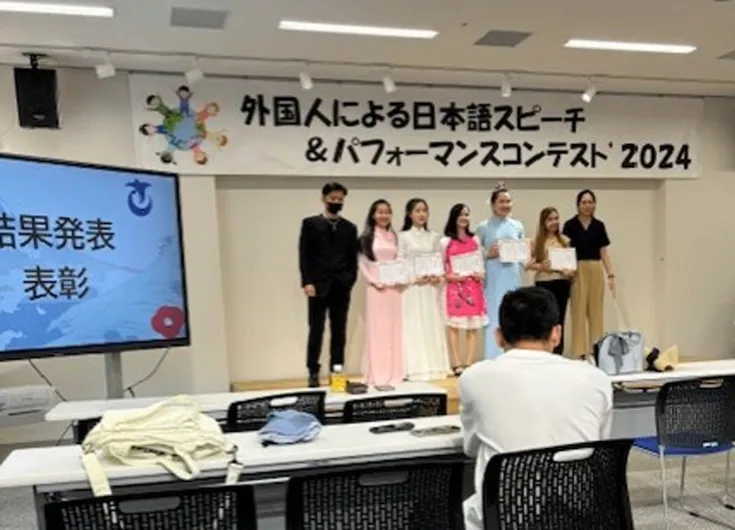
Participation in Local Events
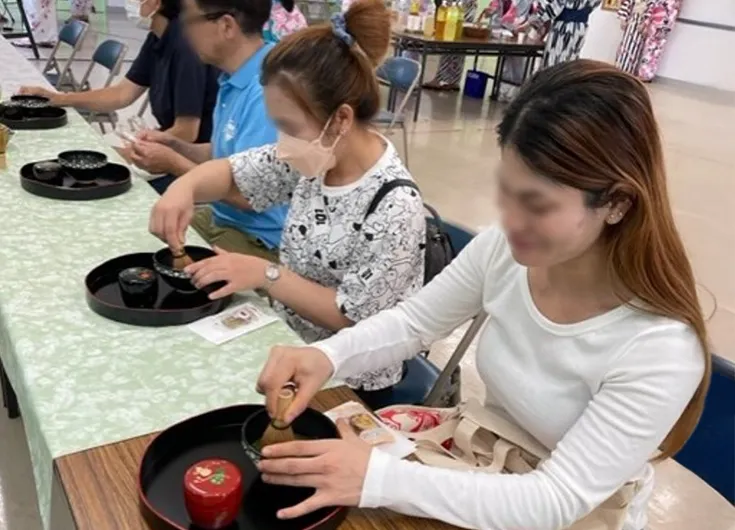
Experiencing Japanese Culture (Tea Ceremony)
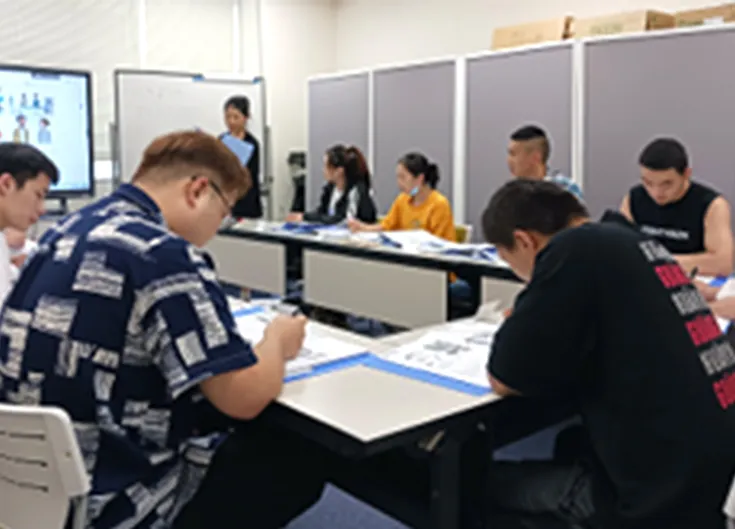
Japanese Language Education
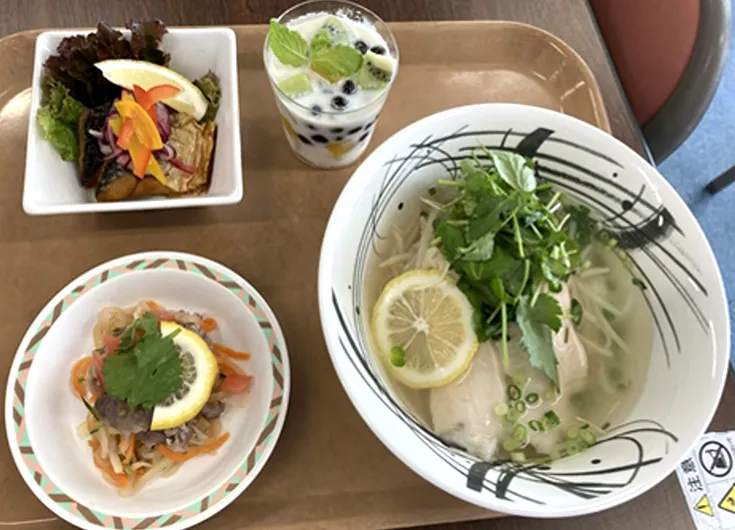
Providing Home-Country Dishes in Employee Cafeterias