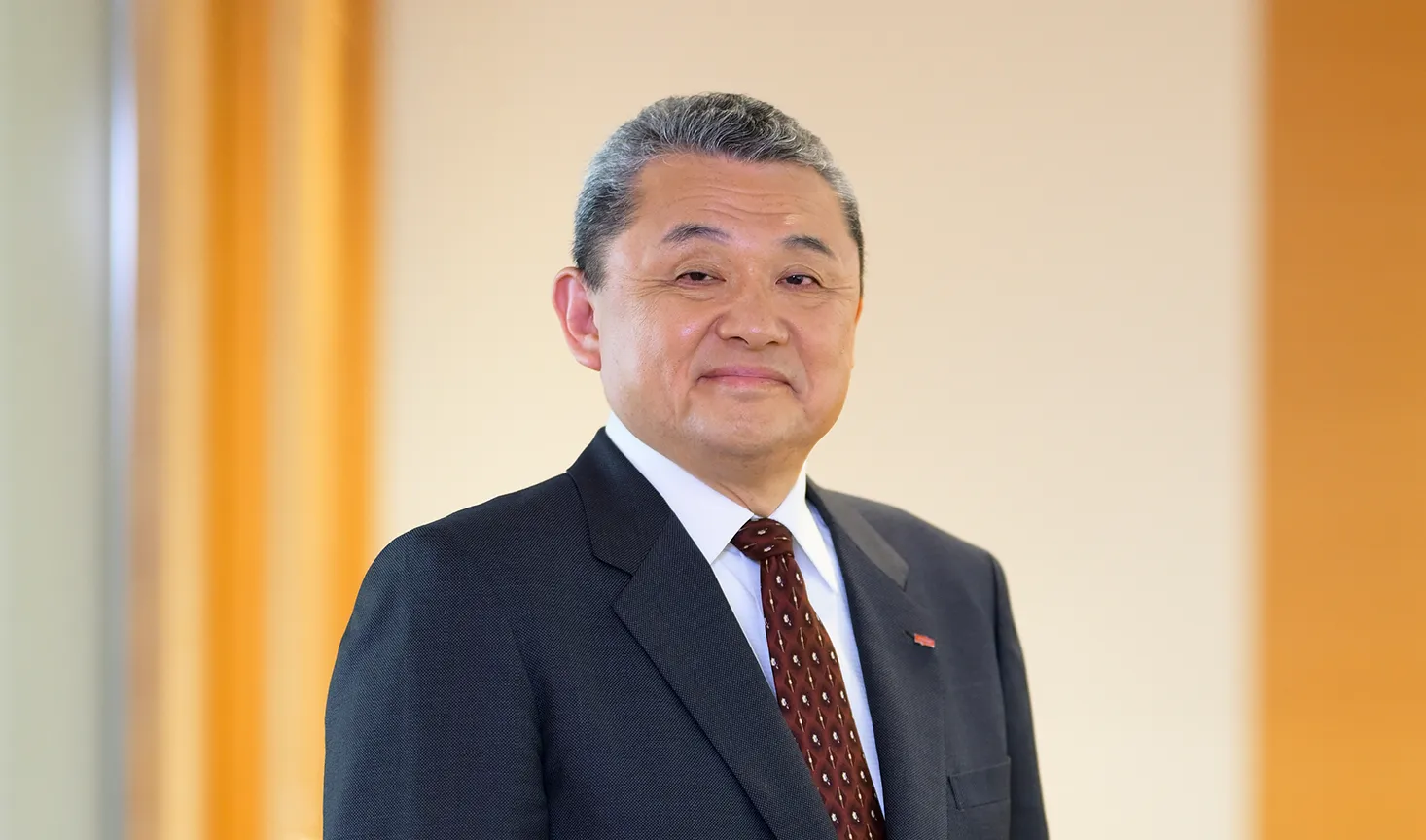
For our company, which conducts its business based on the bounty of the...
Nippon Marine Enterprises, Ltd., a Nissui Group company, provides operation...
Promoting Exercise Habits From May to July 2025, Nissui held the “Body I...
In order to reduce compliance risks in the Nissui Group as a whole, Group c...
The Nissui Group company, King & Prince Seafood Corp. (USA, “K&P”) ...
Global seafood consumption has been increasing and demand is expected to co...
Nissui Forest On October 2, 2023, a cooperation agreement for ...
Palm oil is a vegetable oil sourced from the fruit of oil palm (Elaeis)...
4 July, 2023 The main updates are as below. Susta...
Plastics are light and durable materials that make our lives more convenien...
Acquisition of Occupational Health and Safety Management System ISO45001 Ce...
Total Amount of Compensation, etc. by Executive Category, the Types of Comp...
Overview of Whistleblowing System We have a whistleblowing system in pla...
In FY2022, the Nissui Group established a new “Environmental Award” as part...
The Nissui Group implements tailored environmental education programs for...
The targets and results under the long-term vision, “GOOD FOODS 2030,” ...
Sustainability Report 2025 is published to provide information on the ini...
25 December, 2023 The main updated articles are below. ...
The Nissui Group has formulated its “Human Rights Policy” based on the unde...
“The Utsunuki Green Zone” is a “satoyama (village forests)” adjacent to the...