30 June, 2022 The main updated articles are the bellow. ...
Acquisition of Occupational Health and Safety Management System ISO45001 Ce...
“The Utsunuki Green Zone” is a “satoyama (village forests)” adjacent to the...
Participation in the “Research Meeting” Junior EXPO 2025 Education Program ...
The theme of this competition, which solicits entries from elementary schoo...
The targets and results specified in the long-term vision, “GOOD FOODS 2030...
The targets and results of the previous Medium-Term Management Plan, “GOOD ...
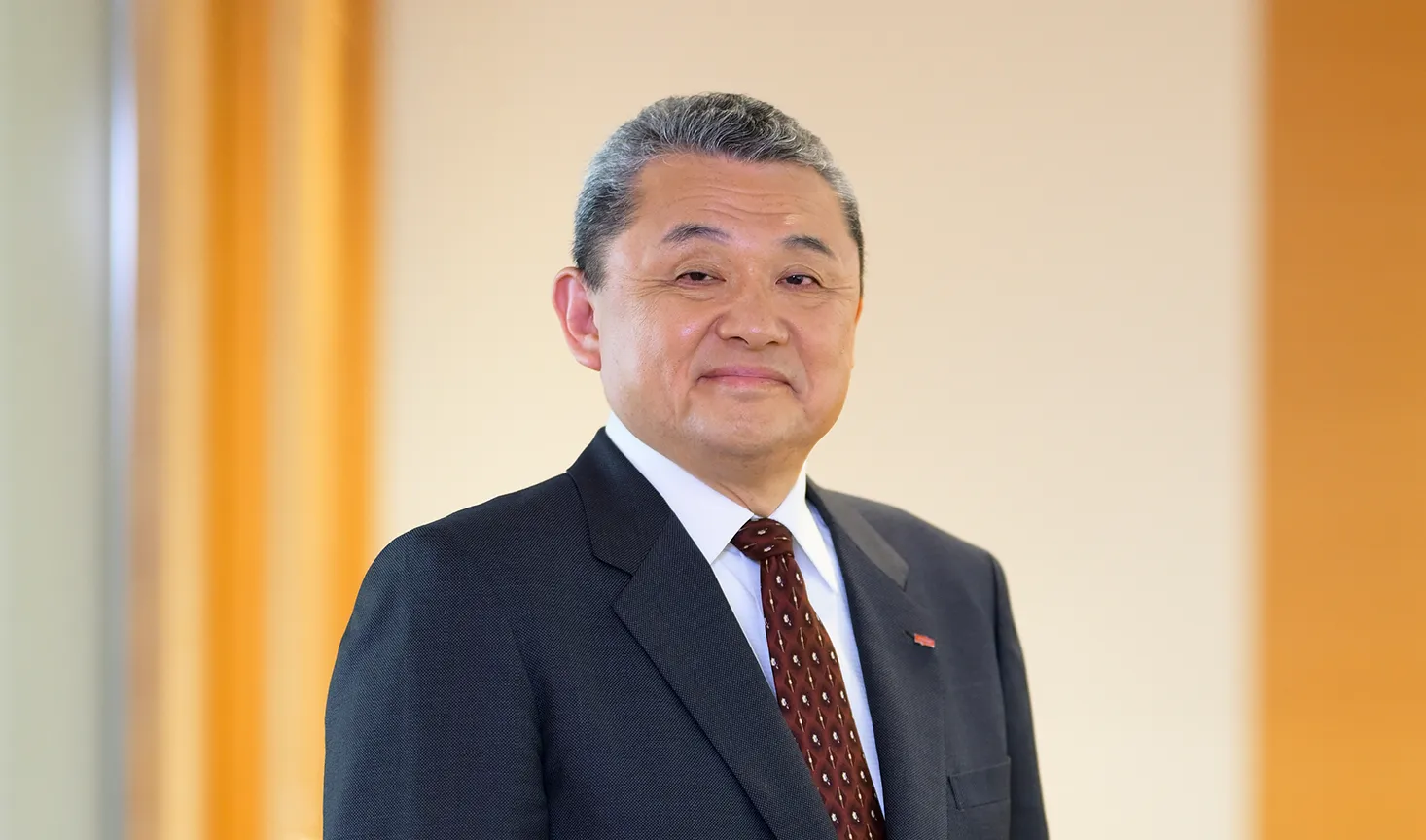
My name is Teru Tanaka, and I was appointed Repre...
The targets and results specified in the long-term vision, “GOOD FOODS 2030...
Salmones Antártica S.A. (“SA”), a subsidiary of the Nissui Group located in...
In FY2025, Nissui is expanding initiatives focused on cancer prevention and...
To improve employee health literacy, Nissui conducts annual Health UP event...
2025/9/19 We have published “Sustainability Report,” which is an annual ...
Nissui upholds the Policy toward Society “to behave with integrity as a com...
Having many overseas bases, the Nissui Group is aware of the importance of ...
Nissui and its Group's basic policy for risk management is to endeavor to p...
MEL certification is a marine eco-label certification scheme originat...
Number of Incidents of Work-related Accidents We strive to achieve zero ...
30 September, 2021 From 2019, we have published the PDF, which is an ann...
The Nissui Group has established the following tax policy that all companie...
The Nissui Group aims to achieve a state where, by 2030, it is generating i...
In recognition of the importance of the preservation of biodiversity, the N...
Many industrialized countries, including Japan, are entering the stage ...
Nissui, with the cooperation of its officers and employees, the Nissui Labo...